

Nigeria is four years from a deadline to achieve the 17 United Nations Sustainable Development Goals (SDGs) that address hunger, poverty, healthcare, and education. Yet, in ten years, the country has shown little progress in achieving said goals compared to its peers. 133 million Nigerians remain multidimensionally poor. Nigeria ranks 115th out of 123 countries on the Global Hunger Index, with 36.2 million people facing food insecurity, and accounts for 10.2 million out-of-school children in primary education and 8.1 million out-of-school children in secondary education out of Nigeria’s 105 million children. Nigeria also ranks 124th out of 148 countries in the World Economic Forum’s 2025 Global Gender Gap Index, with a gender parity score of 0.649/1. Despite years of reforms and the creation of the Office of the Senior Special Assistant to the President on SDGs (OSSAP-SDG) to align national policies with the framework, Nigeria currently ranks 143rd out of 169 countries, with an SDG index score of 55.7%. With less than four years left until 2030, Nigeria must critically evaluate its progress and double its efforts to accelerate development.
In 2015, the United Nations and key stakeholders launched the Sustainable Development Goals (SDGs) Agenda to address urgent universal environmental, political, and economic challenges. Nigeria, along with 192 other countries, adopted the 17 Global Goals and began implementing them in 2016. The UN Agenda includes 17 goals, 169 targets, and 231 indicators aimed at eliminating poverty, achieving zero hunger, prioritising quality education for all, and ensuring gender equality across all participating nations.
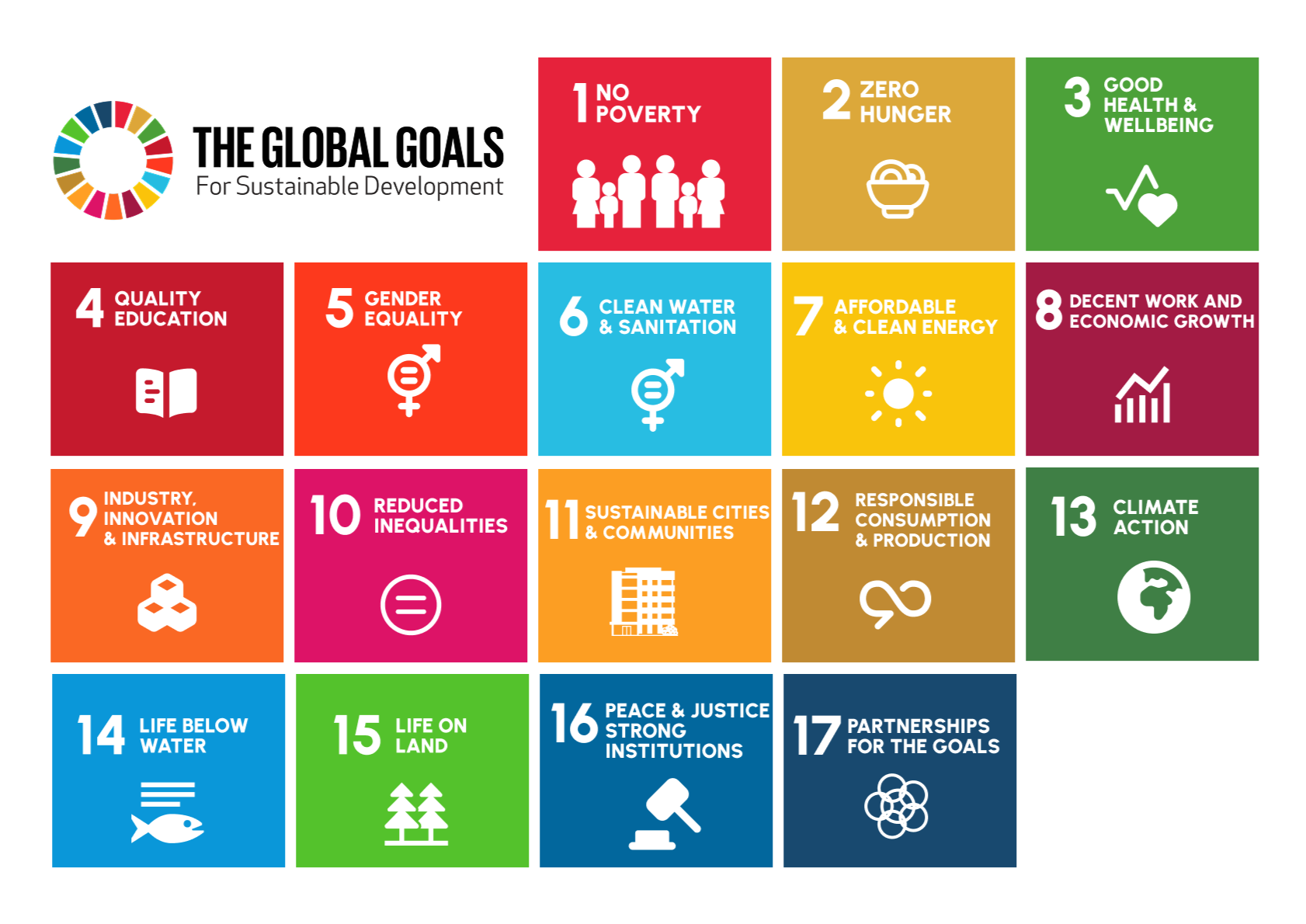
Figure 1: The 17 Global Goals for Sustainable Development
Source: UN
How Did the SDGs Emerge?
Before the 17 Global Goals, the world relied on the 2015 Millennium Development Goals, an eight-goal framework that focused on eradicating extreme poverty and hunger, achieving universal primary education, combating HIV/AIDS, malaria, and other diseases, and reducing child mortality, among other priorities. This agenda was adopted in 2000 by all UN member states and at least twenty-two (22) international organisations, and by 2015, the initiative was largely successful. Over those 15 years, extreme poverty dropped from 1.9 billion people in 1990 to 836 million in 2015; the number of out-of-school children fell from 100 million in 2000 to 57 million in 2015; and maternal mortality dropped by 45%. Globally, the proportion of undernourished people reduced by almost half, and under-five child mortality fell by more than 50%. Furthermore, between 2000 and 2015, 6.2 million malaria deaths were prevented; HIV infections fell by 40%; tuberculosis treatment saved 37 million lives from 2000 to 2013; and 2.1 billion people gained access to improved sanitation.
The MDGs achieved major success worldwide, addressing core global issues such as poverty, mortality, education, and healthcare; however, their scope was not wide enough. In 2012, over 100 heads of state and vice presidents from the UN’s 192 member nations gathered in Rio de Janeiro at the United Nations Conference on Sustainable Development—the largest UN event ever held—where the SDGs emerged, building on progress from the MDGs. Its objective was to address urgent global environmental, economic, and political challenges that the MDGs were too narrow to tackle. All 17 goals interconnect in such a way that progress in one directly influences outcomes in others. For instance, tackling climate change impacts natural resource management, while achieving gender equality and improved health outcomes reinforces poverty eradication. Together, these 17 goals provide a holistic blueprint for global peace and prosperity, driven by the ambitious commitment to leave no one behind.
Between 2015 and now, progress in achieving these goals has been fragmented across jurisdictions. Hundreds of millions now have access to safe drinking water and sanitation, 92% of the world’s population has access to electricity, and 74% has internet access, which opens opportunities for education and businesses worldwide. 59 countries have eliminated at least one neglected tropical disease, and 134 countries have met the global target for reducing child mortality. Despite this progress, the world remains significantly off track for 2030. Out of 139 assessable targets, only 36% are on track, 49% are progressing too slowly, and 15% have regressed below their 2015 baseline. Today, 1 in 10 people still experience extreme poverty, 2.3 billion people face food insecurity, 150 million children under five suffer from stunting, and 1 in 5 people experience different forms of discrimination. Additionally, man-made and environmental crises exacerbate these shortfalls. In 2025, global temperatures rose to 1.43°C, their highest level in 2 million years, and violent conflicts reached the highest level in decades, displacing 188 million people worldwide. To get back on track towards achieving the 17 goals, all 193 countries must deepen international collaboration to deliver sustainable development across the globe.
Nigeria’s Progress So Far
Nigeria currently ranks 143rd out of 169 countries, with fragmented and largely stagnant progress across the 17 goals. Many indicators are either moving slowly or lagging. Since 2016, Nigeria’s policies have integrated the SDGs into national and sub-national development frameworks, including the Economic Recovery and Growth Plan (2017–2020), the Medium-term National Development Plan (2021–2025), Nigeria Agenda 2050, and the Renewed Hope Agenda. However, policy alignment has not translated into sufficient results. According to the 2024 SDG Progress Report, out of the 52 indicators, 18 have regressed, 16 are stagnant, 18 have shown improvement, and none are on target. In 2025, Nigeria presented its Third Voluntary National Review (VNR), prioritising five goals: SDGs 3 (Good Health), 5 (Gender Equality), 8 (Decent Work and Growth), 14 (Life Below Water) and 17 (Partnerships). Across the 19 combined indicators evaluated for these prioritised areas, progress was recorded in only 7.
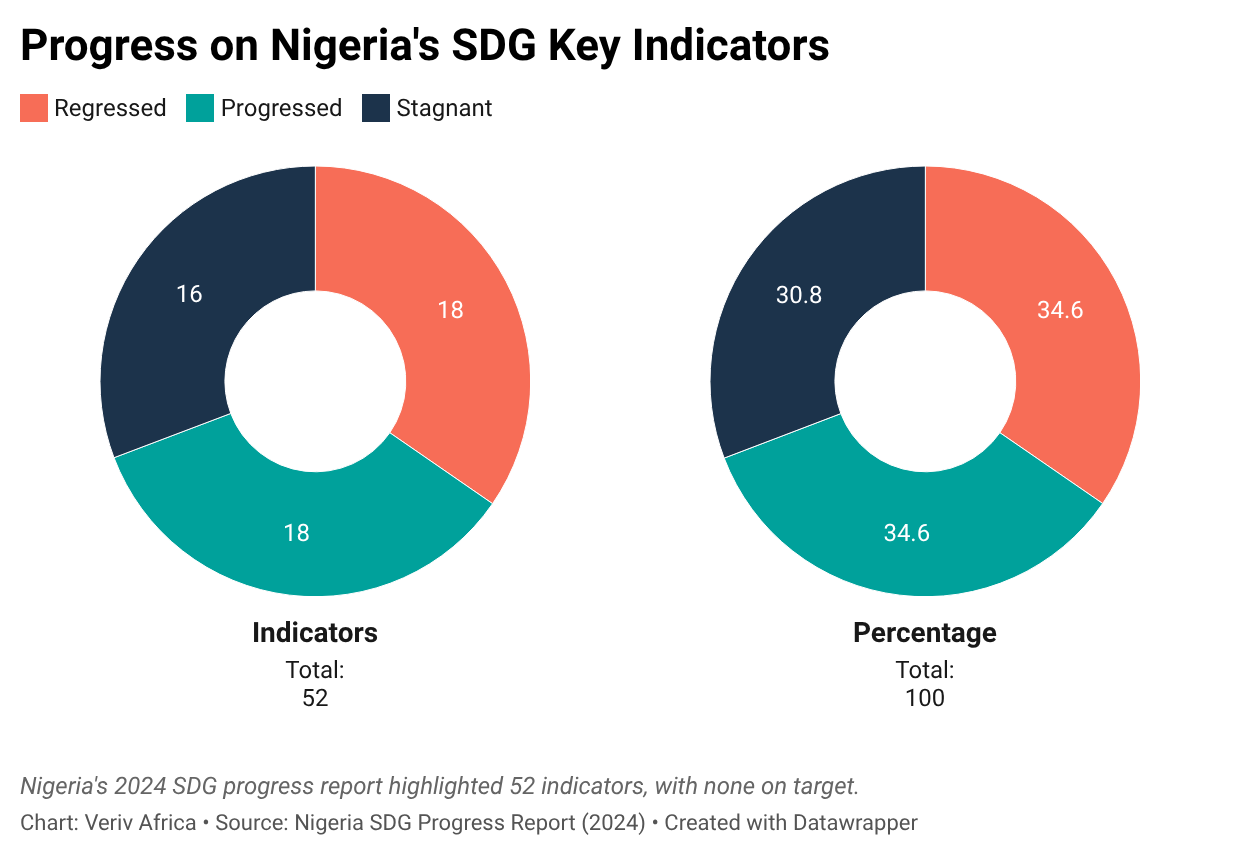
Figure 2: Progress on Nigeria’s SDG Key Indicators
Source: Nigeria SDG Progress Report (2024)
Poverty levels remain extremely high in Nigeria, with 63% of the population—133 million people—living in multidimensional poverty. This burden is disproportionately distributed, with 65% concentrated in Northern Nigeria and 35% in the South. Beyond extreme poverty levels, undernutrition has steadily worsened over the past decade, climbing from 11% in 2016 to 17.7% in 2022, and reaching 22.2% by 2025. Food insecurity has followed a similarly alarming trajectory, increasing since 2015, from 34.7% to 47.1% in 2018, and 69.7% in 2021. 35 million Nigerians are estimated to face hunger in 2026, with 5.8 million people concentrated in the North-East alone. 33.8%, 11.6%, and 10.5% of children under five are stunted, wasted, and die before their fifth birthday, respectively, due to acute undernutrition and unhealthy environments. Despite the country’s policy commitments to eliminate poverty and hunger, millions of Nigerians continue to suffer annually due to worsening insecurity, macroeconomic instability, and eroding purchasing power.
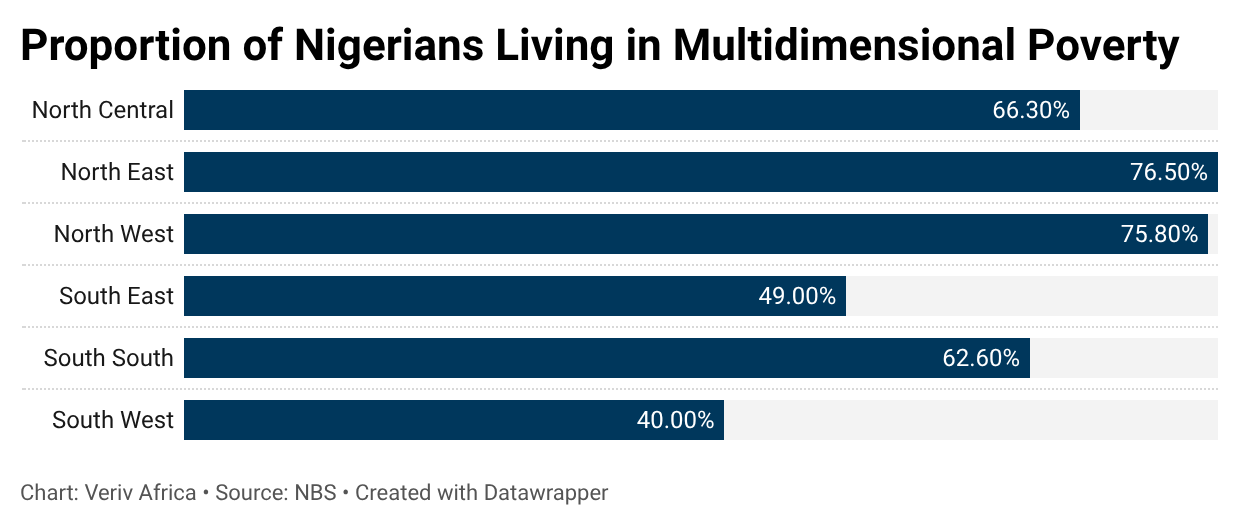
Figure 3: Proportion of Nigerians Living in Multidimensional Poverty
Source: NBS
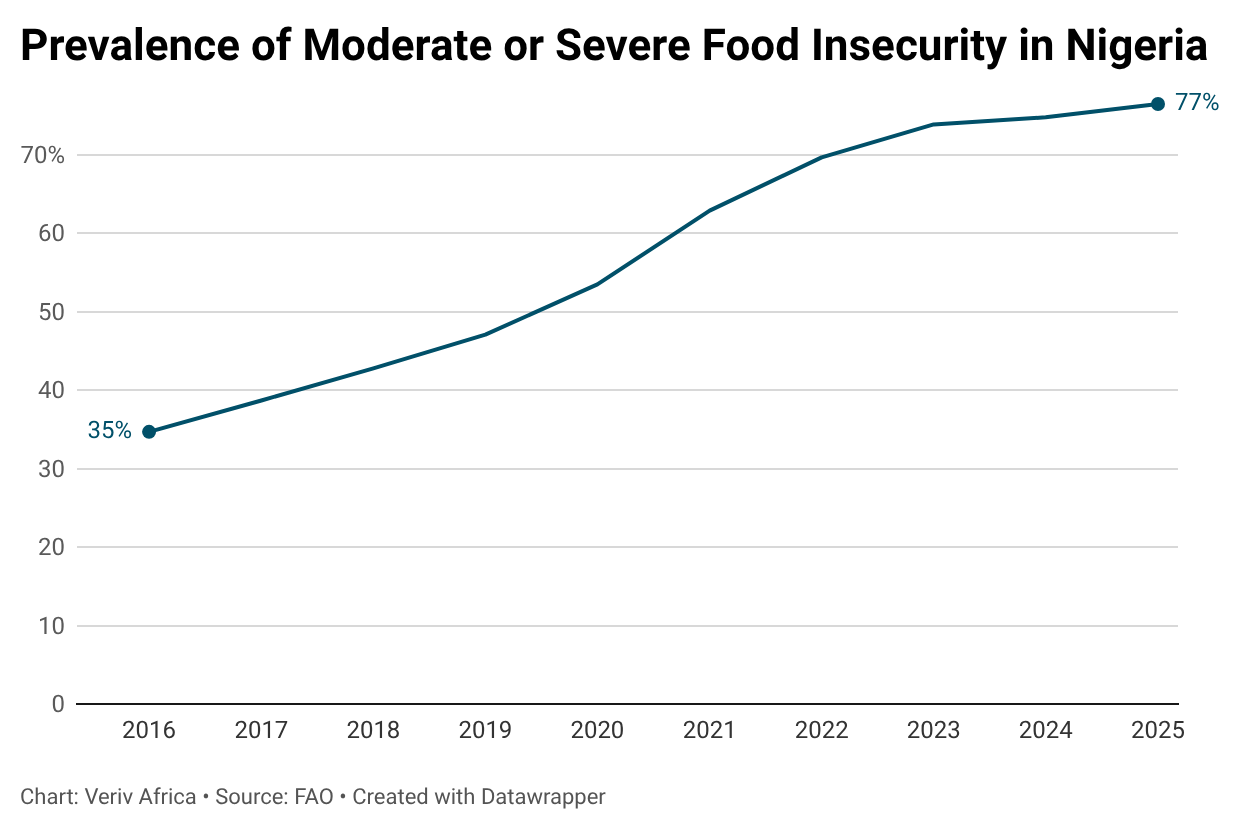
Figure 4: Prevalence of Moderate or Severe Food Insecurity in Nigeria
Source: FAO
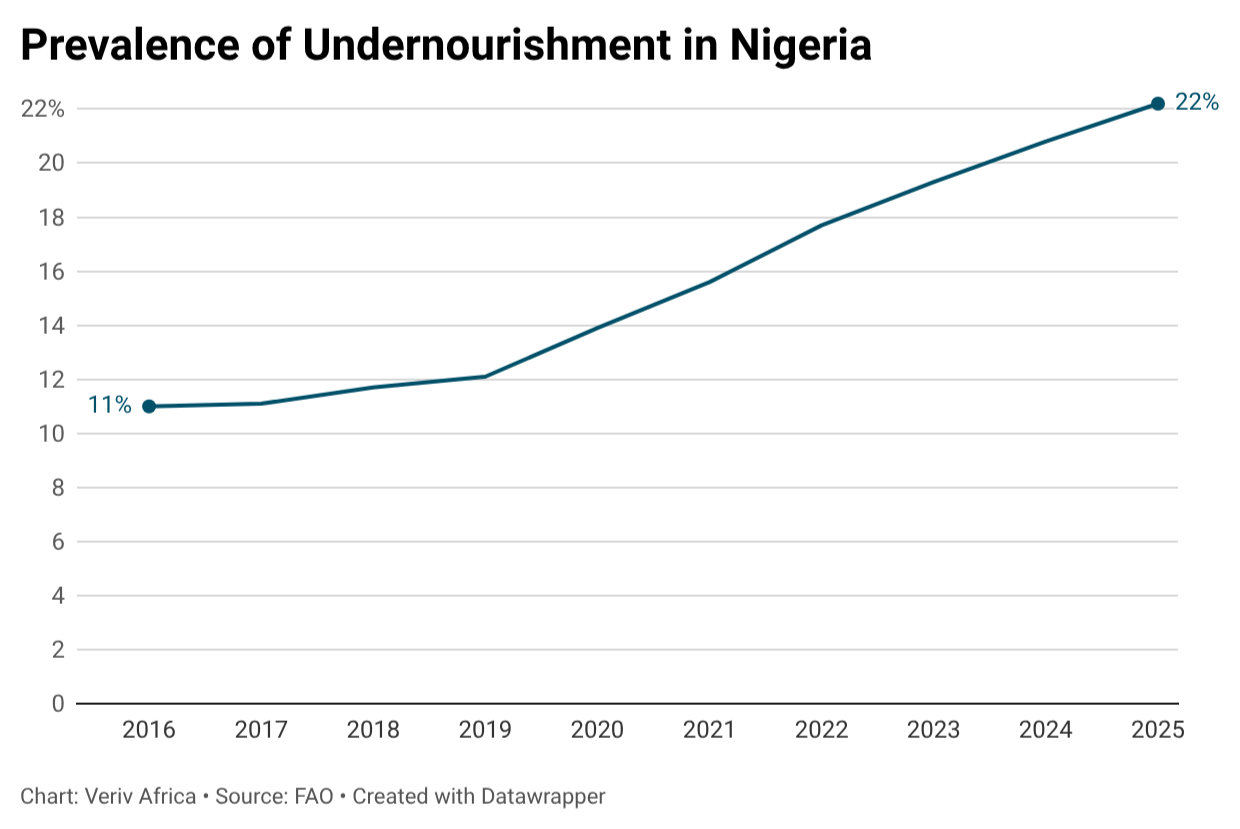
Figure 5: Prevalence of Undernourishment in Nigeria (%)
Source: FAO
Health outcomes also remain poor. The SDG benchmark for maternal mortality is 70 deaths per 100,000 live births; however, Nigeria recorded 512 per 100,000 in 2018, which worsened to an estimated 1,047 in 2020, and 993 in 2023. Additionally, 76% of Nigeria’s healthcare expenditure is paid out of pocket (OOP), with 91% of the population lacking health insurance coverage, and an average life expectancy of 64.5 years at birth. When compared to global averages—22% OOP expenditure and a life expectancy of 78.5 years—Nigeria lags behind the Universal Health Coverage target. Severe infrastructure deficits, inadequate equipment, and the migration of skilled medical professionals further exacerbate these systemic failures.
Progress across education, gender equality, and water and sanitation is mixed. 1 in every 5 out-of-school children globally is Nigerian, with the country accounting for 10.5 million children outside classrooms. Only 61% of children aged 6-11 years attend primary school regularly, and just 35.6% of children aged 36- 59 months receive early education. These low numbers are fueled by rising insecurity, socio-cultural factors, and poverty. Gender inequality remains a prevalent issue in Nigeria, affecting areas such as education, child marriage, and political participation. Nigeria has the highest number of child brides in Africa, with 24.4 million girls married before age 18; that means every 3 in 10 girls are child brides. In Nigerian politics, women's representation remains low, with Nigeria having never elected a female president or state governor. Since 1999, only 157 women have been elected to the National Assembly, compared to 2,657 men, revealing that women have held just 5.6% of parliamentary seats for nearly three decades. Despite the stagnation and slow progress in gender equality and education, Nigeria has made progress in water sanitation, with the proportion of households using improved sanitation facilities increasing from 35.9% in 2016 to 57.5% in 2021, and 71.5% of households having access to healthier drinking water sources.
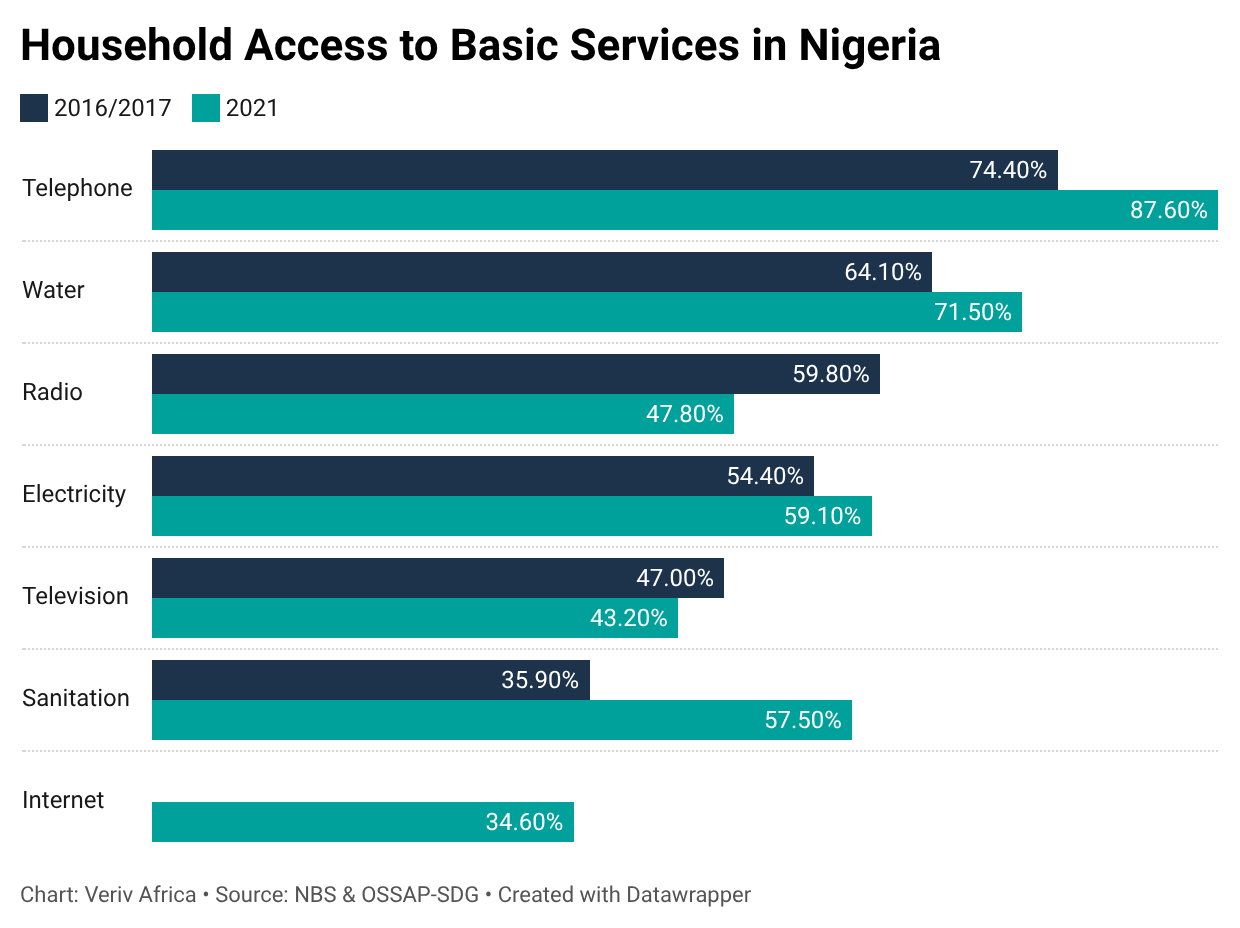
Figure 6: Household Access to Basic Services in Nigeria
Source: NBS & OSSAP-SDG (2024)
As of 2024, World Bank data showed that only 62.5% of the Nigerian population had access to electricity, making Nigeria the country with the largest energy deficit globally. Nigeria’s power sector is riddled with numerous structural bottlenecks: dilapidated infrastructure, legacy debts, frequent grid collapses, theft and vandalism, weak policy implementation, and inefficiencies along the value chain. At the same time, inequality and discrimination among vulnerable groups—including women, older people, persons with disabilities (PWDs), and minorities—continue to persist. Children and adolescents with disabilities face the highest systemic barriers, experiencing various negative social attitudes, inadequate policies and legislation, limited access to healthcare and education, and compromised survival rights. Climate change poses severe risks to Nigerians and the broader economy. The country faces man-made and environmental disasters, such as seasonal flooding, soil and coastal erosion, oil spillage, and landslides. Recurrent flooding remains Nigeria’s most threatening risk, recording 68 deaths and 129,000 displacements in 2020. By 2022, floods had taken 603 lives, displaced 1.4 million people, injured over 2,400 people, and damaged 82,035 houses and 332,327 hectares of land.
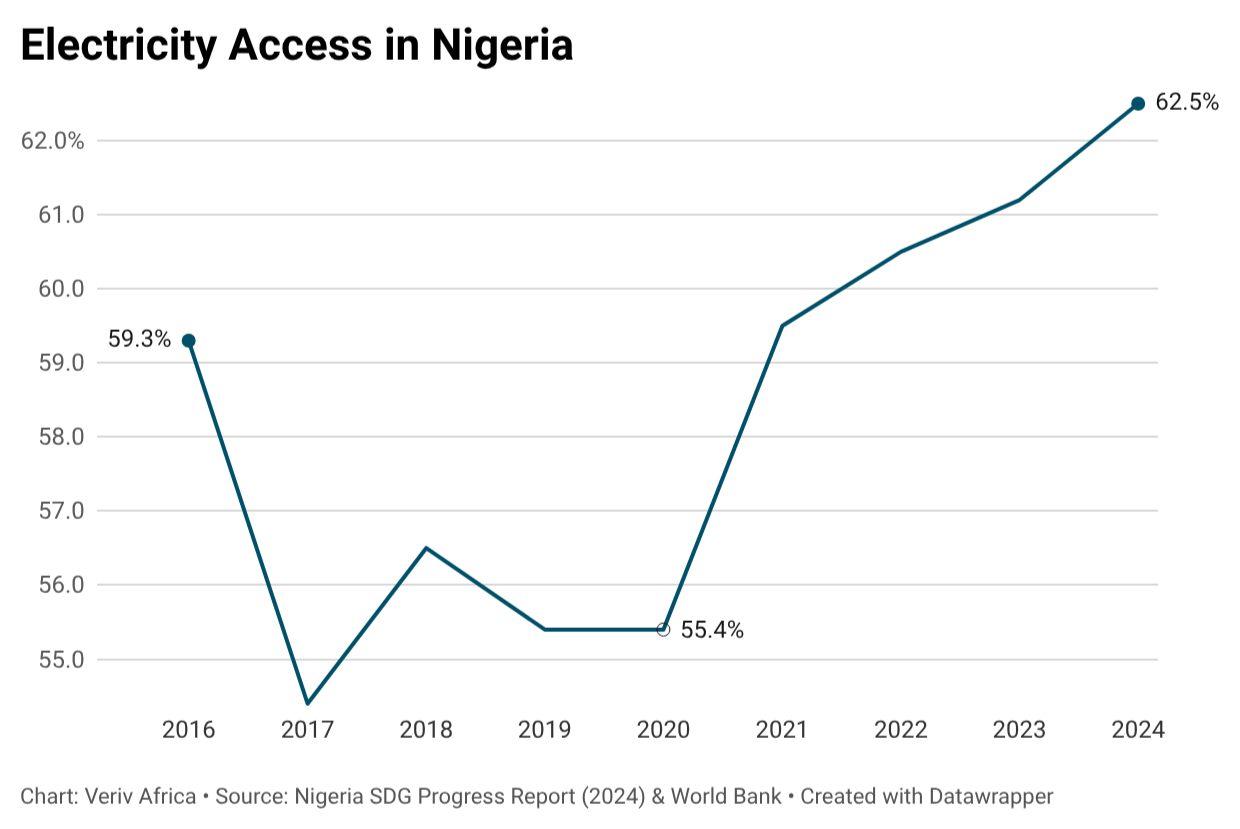
Figure 7: Electricity Access in Nigeria
Source: Nigeria SDG Progress Report (2024) & World Bank
Given Nigeria’s performance over the past decade, the country is unlikely to achieve all 17 goals by 2030. Nigeria is currently off track across its targets and has regressed in critical areas such as poverty reduction, food security, maternal health, women’s political participation, climate action, and adequate housing. Despite the decline in key indicators, the country has recorded gains in select areas. Birth registration for children under five rose from 46.8% in 2016 to 57.3% in 2021. Additionally, in 2025, 48.8% of Nigerians had internet access compared to 2016’s 24%, and more youths and adults have improved information and technology skills. Overall, despite the country’s weak performance in the past decade, targeted interventions can still accelerate momentum. Federal and state governments must prioritise achieving the goals through targeted policy execution, dedicated funding, and robust enforcement mechanisms to bridge the existing implementation gaps.
Policy Options
If Nigeria is to accelerate progress toward the 2030 target, the government must establish policy priorities that directly address the root drivers of poverty, hunger, gender inequality, a poor education system, climate threats, and social marginalisation among vulnerable groups. Key policy options include:
- Address Nigeria’s Insecurity Crisis: Nigeria has struggled with persistent insecurity that undermines every sector of the economy, particularly agriculture and education. Violent attacks and mass abductions are especially concentrated in the North, with states such as Borno, Yobe, Adamawa, Plateau, Kwara, and Kano at the forefront. More than 1500 students have been abducted from schools since the 2014 Chibok incident, forcing the closure of hundreds of schools across the country and driving up out-of-school numbers. The crisis also affects the agro-sector by disrupting activities along the value chain and displacing communities, which worsens food insecurity and poverty in the country. Federal and state governments should be proactive to restore safety to the country. Securing communities is essential to keeping children in classrooms, lowering hunger levels, and enabling broader economic stability.
- Strengthen Climate Action: Climate change continues to damage the Nigerian economy through increasing temperatures, erratic rainfall, rising sea levels, severe flooding, drought, and land degradation. The growing unpredictability of weather patterns has intensified flash floods, landslides, gully erosion, and land degradation. In 2022 alone, devastating floods claimed 603 lives, destroyed over 82,000 houses, and submerged more than 300,000 hectares of land. These climate disruptions create harsh conditions for agricultural production, severely undermining food availability and crop quality. The government can strengthen climate resilience by launching public awareness campaigns and equipping state and local governments with training and funding to respond to issues within their jurisdiction.
- Increase Funding in Prioritised Areas: Nigeria prioritised healthcare in the 2025 VNR; however, government allocation in the healthcare sector remains low. The 2026 federal budget allocated 2.48 trillion for healthcare, only 4.2% of the total budget—way below the 15% Abuja Declaration benchmark. Currently, 76% of Nigeria’s healthcare expenditure is paid out of pocket (OOP), and 91% of Nigerians still lack health insurance coverage. The government should increase funding for the sector and invest in modern infrastructure, particularly in rural areas, to increase access to better healthcare services and encourage more Nigerians to enrol in the National Health Insurance Authority to increase access to healthcare services and ensure fewer people pay out of pocket. Similarly, education funding must be expanded to improve the quality of education in the system and ensure more children stay in classrooms.
- Close the Country’s Inclusion Gap: Vulnerable groups such as women, children, and people with disabilities (PWDs) remain marginalised in Nigeria. Out of a population exceeding 200 million, over 108 million are women, and 35 million are disabled. PWDs experience social stigma, discrimination, and structural barriers to basic services and economic opportunities. Women, on the other hand, face gender-based issues such as inequality in politics and employment, violence in intimate relationships, and restricted autonomy over reproductive health choices. The government needs to prioritise creating inclusive and anti-discrimination policies that bridge this gap in the country.
- Foster Community Awareness and Ownership: Achieving the 2030 agenda is not solely the responsibility of the government; it requires active participation from citizens and civil society. Nigerians can support these goals by actively dismantling socio-cultural practices that marginalise women, children, and PWDs. When families commit to educating young girls and communities eliminate child marriage practices, the positive impact ripples across multiple SDGs, directly advancing gender equality, poverty eradication, health outcomes, and quality education.
Conclusion
The road to 2030 presents significant hurdles for Nigeria. To make meaningful headway towards the 17 Global Goals, the country must overcome high levels of poverty, food insecurity, and social inequality, while increasing access to education, healthcare services, and energy. Progress over the last decade has remained slow and fragmented, stalled by insecurity, the COVID-19 pandemic, domestic and global economic shocks, and escalating climate change threats. Nigeria and the world must double down on policy enforcement and implementation to reignite momentum over the remaining years of the framework. Given the current trajectory and macroeconomic landscape, Nigeria is unlikely to achieve all 17 goals in full by 2030; nevertheless, through targeted policy measures, institutional accountability, and strategic resource allocation in high-priority sectors, the country can significantly improve performance and accelerate its development trajectory.
References
Abdullahi, M. (2023, December 2). 35m people living with disabilities in Nigeria, says
NCPWD. The Cable. https://www.thecable.ng/35m-people-living-with-disabilities-in-nigeria-says-ncpwd/
Adewale, Z., & Eromonsele, F. (2026, January 4). 2026 Proposed Budget: Tinubu raises
health allocation but misses Abuja declaration target. Premium Times. https://www.premiumtimesng.com/health/health-interviews/847409-2026-proposed-budget-tinubu-raises-health-allocation-but-misses-abuja-declaration-target.html
Commonwealth Fund. (2026). International Health Care System Profiles | Nigeria.
https://www.commonwealthfund.org/international-health-policy-center/countries/nigeria
FAO. (2025). FAOSTAT - Suite of Food Security Indicators.
https://www.fao.org/faostat/en/#data/FS
GHI. (2025). Nigeria - Global Hunger Index - peer-reviewed annual publication designed
to comprehensively measure and track hunger at the global, regional, and country levels. https://www.globalhungerindex.org/nigeria.html
Guardian Nigeria. (2025, June 26). Nigeria tops global list for lack of electricity access.
https://guardian.ng/news/nigeria-tops-global-list-for-lack-of-electricity-access/
Osimosu, R., Adefisoye, T. (2023). Bridging the Gender Gap in Nigeria’s Political
Representation: The Role of the Independent National Electoral Commission. FUOYE Journal of Public Administration and Management, 1(2), 48–62. https://fjpam.fuoye.edu.ng/index.php/fjpam/article/view/9/9
NBS. (2023). Demographic Statistics Bulletin 2022.
NBS. (2024). Review of SDGs in Nigeria: Tracking the Indicators.
https://microdata.nigerianstat.gov.ng/index.php/catalog/176
Nwonwu, C. (2025, November 28). The kidnap gangs, jihadists and separatists wreaking
havoc in Nigeria. BBC. https://www.bbc.com/news/articles/c4g4jlgdyjdo
OSSAP-SDGs. (2025, July). Nigeria’s Third Voluntary National Review.
https://nigerianyouthsdgs.org/wp-content/uploads/2025/06/VNR-2025-Nigeria-Report.pdf
OSSAP-SDGs. (2024). Nigeria SDGs Progress Report.
Sustainable Development Report 2026. (2026). Nigeria - Sub-Saharan Africa.
https://dashboards.sdgindex.org/profiles/nigeria/fact-sheet/
UN. (2015). We Can End Poverty: Millennium Development Goals and Beyond 2015.
https://www.un.org/millenniumgoals/
UN. (2026). The Sustainable Development Goals Report 2026.
https://unstats.un.org/sdgs/report/2026/The-Sustainable-Development-Goals-Report-2026.pdf
UN. (2026). THE 17 GOALS | Sustainable Development. https://sdgs.un.org/goals
UNDP. (2017, April 17). The Millennium Development Goals Report 2015.
https://www.undp.org/publications/millennium-development-goals-report-2015
UNDP. (2026). Background on the goals.
https://www.undp.org/sdg-accelerator/background-goals
UNICEF. (2024). Statistical Profile on Child Marriage: Nigeria.
UNICEF Nigeria. (2026). Education. https://www.unicef.org/nigeria/education
WEF. (2025). Global Gender Gap Report 2025.
https://reports.weforum.org/docs/WEF_GGGR_2025.pdf
WFP. (2025). Nigeria. https://www.wfp.org/countries/nigeria
World Bank Group. (2023). Access to electricity (% of population) - Nigeria.
https://data.worldbank.org/indicator/EG.ELC.ACCS.ZS?locations=NG
World Bank Group. (2026). Nigeria Gender Data Portal.
https://genderdata.worldbank.org/en/economies/nigeria


